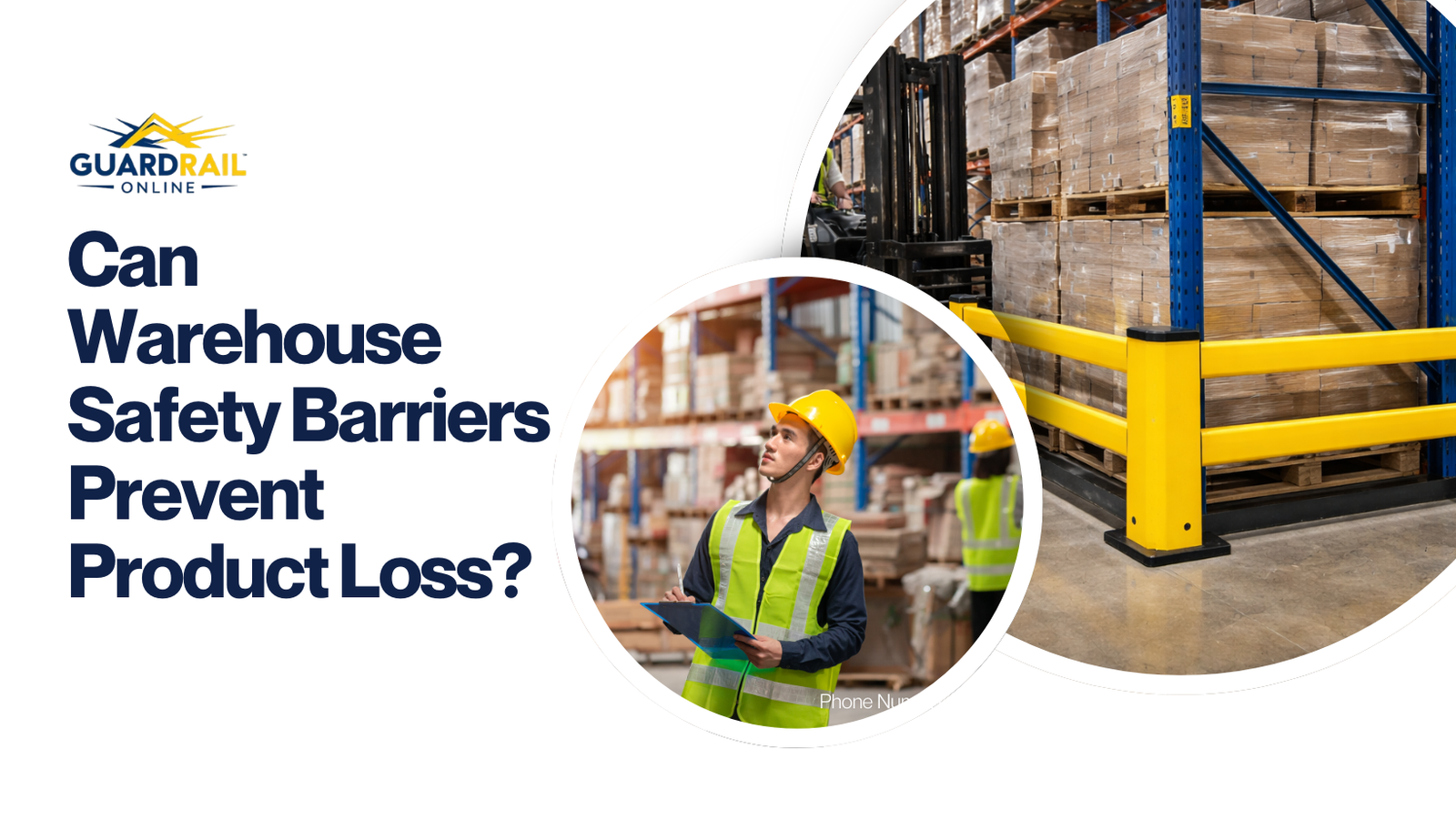
Product loss inside warehouses is rarely dramatic. It does not usually come from one major accident or a single forklift crash. More often, it builds quietly through small, repeated events that feel insignificant in isolation. Such an incident could be anything from a pallet that brushed during a turn. n other instances, a rack may have clipped slightly during staging. Or maybe, it may simply be a shipping container that changed shape slightly but is still shipped anyway.
Over time, these “minor” moments add up to damaged inventory, rejected shipments, and avoidable write-offs. This is where warehouse safety barriers begin to play a role that many facilities underestimate. They are not just about protecting people. When used correctly, they are a practical tool for protecting products and preserving inventory integrity. But how do heavy duty warehouse barriers actually prevent product loss? Let’s understand through this article.
Table of Contents
ToggleHow Warehouse Safety Barriers Interrupt Loss Patterns?
Product loss in warehouses rarely comes from a single event. It comes from repeated exposure. This is exactly where warehouse safety barriers make a measurable difference. They interrupt loss patterns before damage reaches pallets, racks, or stored goods.
They stop contact before it reaches inventory
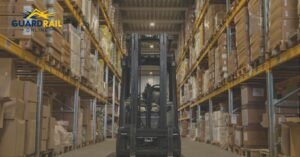
Forklifts often drift slightly during turns or corrections. Without protection, that drift transfers directly into rack uprights or pallet edges. A warehouse safety barrier when placed around these turns absorbs that first contact. It keeps force away from stored products, preventing minor bumps from turning into crushed cartons or unstable loads.
They protect rack alignment, not just structure
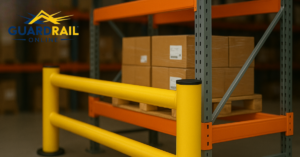
Repeated low-speed contact from forklifts can shift rack frames just enough to affect load stability. Heavy duty warehouse barriers when placed around racks take that repeated impact instead. By shielding rack bases, they help maintain proper rack geometry. This keeps pallets level and prevents gradual load movement that leads to hidden damage.
They contain staging chaos before it damages goods
Staging areas have a way of expanding under pressure, leaving pallets to inch closer to travel lanes. Installing warehouse safety barriers in these spaces help create a physical limit that staging cannot cross. This keeps pallets out of impact zones and reduces the risk of edge damage during loading and unloading.
They reduce last-second corrections
When operators rely on tight clearances, they correct movement late. That is when loads shift. However, warehouse safety barriers can help guide movement earlier by defining safe paths. This reduces sudden steering adjustments that can cause pallet instability or product tipping.
They maintain consistency in high-traffic zones
Heavy duty warehouse barriers matter most where contact happens repeatedly. These barriers withstand ongoing low-speed impacts without deforming. Hence, they continue providing the same level of protection shift after shift. That consistency is critical because product loss is cumulative. However, reliable warehouse safety barriers help stop that accumulation.
Why Placement Of Warehouse Safety Barriers Matters More Than Presence?
Simply having guardrails installed is not enough to reduce product loss. You need to also pay close attention to there they are placed. After all, it is their location that determines whether they protect inventory or simply exist on the floor.
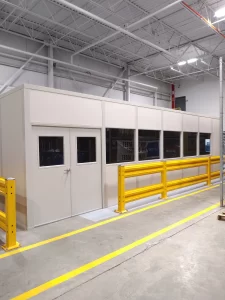
Safety barriers are most effective when installed at locations where contact tends to repeat, such as:
- Rack row ends where forklifts initiate turns
- Staging edges near docks where pallets accumulate under pressure
- Aisle intersections where visibility drops
- Long travel lanes where speed gradually increases
- Areas where temporary storage slowly becomes permanent
Placing warehouse safety barriers in these zones creates a buffer between movement and inventory. They prevent forklifts from drifting into racks. These heavy duty warehouse barriers stop pallets from encroaching into travel paths. Likewise, they also reduce the chance that one small contact escalates into broader rack or product damage. This ensures that protection remains consistent, shift after shift, instead of degrading silently over time.
Conclusion
Product loss does not usually begin with a major failure. It starts with small, repeated contacts that quietly compromise inventory before anyone notices. Warehouse safety barriers help interrupt that pattern by absorbing impact early, guiding movement more predictably, and keeping forklifts and pallets where they belong.
Heavy duty warehouse barriers protect more than merely the infrastructure when placed with intention. They protect product quality, reduce waste, and support smoother daily operations. However, choosing a high-quality guardrail is crucial to ensure you reap these benefits. This is why many top managers in the United States trust Guardrail Online. We are known to deliver industrial-grade guardrails that take up to 10,000 lb. impact at 4 mph. Check out our product page for more information today.