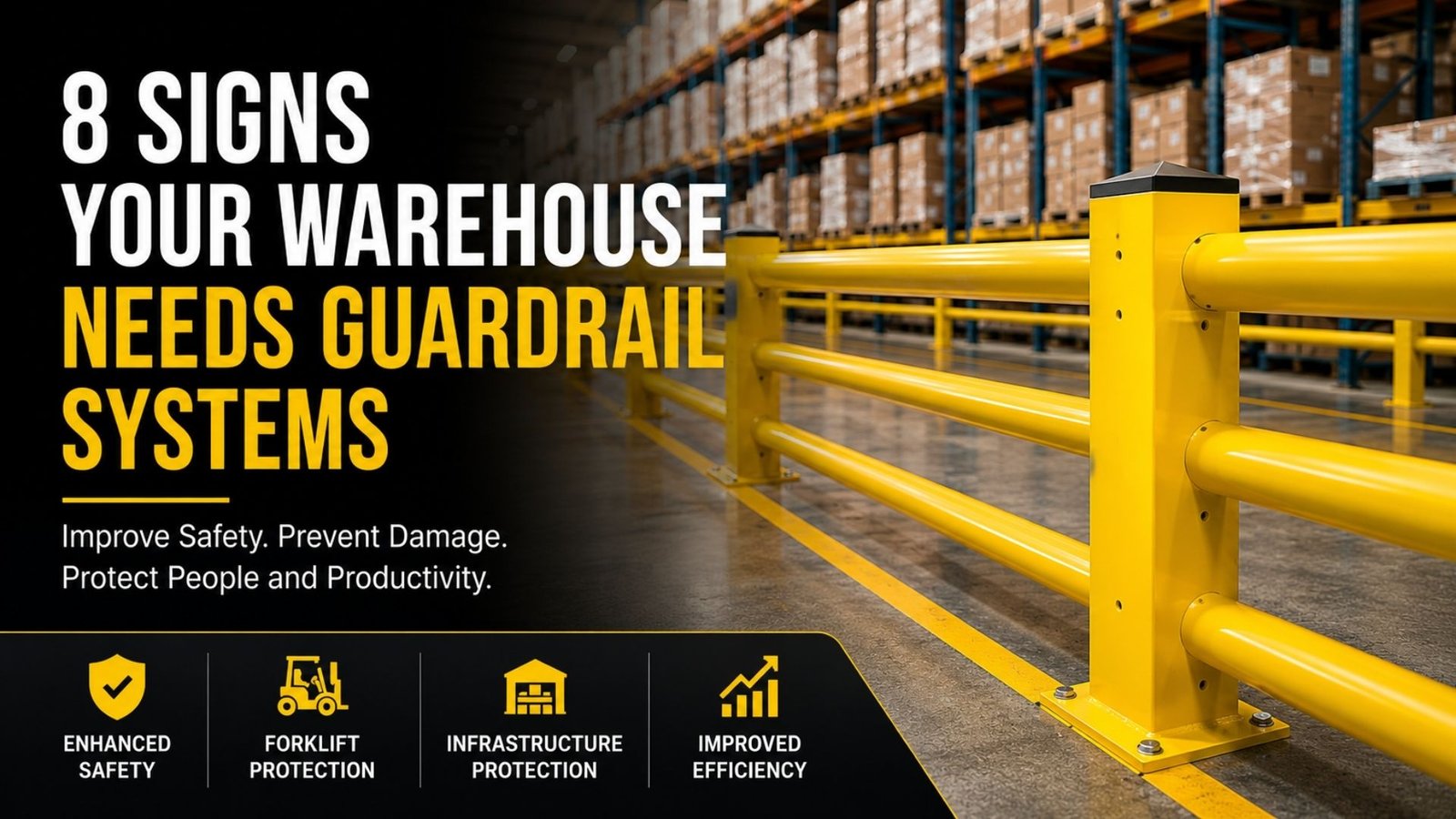
Many warehouses believe accidents happen suddenly. However, the truth is that most operational risks begin showing warning signs long before a serious incident actually takes place.
Repeated rack damage, falling inventory, and unsafe shared zones are often clear indicators that your warehouse safety systems are no longer enough. The problem is that many facilities continue ignoring these warning signs until operations become difficult to control safely.
So, how do you identify whether your warehouse now requires stronger protection systems like a single height guardrail? Let’s find out.
1. Falling Inventory Incidents Are Becoming More Common
Falling inventory is one of the biggest warning signs that your warehouse requires stronger protection systems. These incidents often begin developing quietly in the background before eventually leading to serious operational accidents. Such incidents usually happen when:
- Forklifts accidentally strike rack systems
- Pallets shift after operational impact
- Unstable inventory becomes dislodged
- Overstacked materials lose balance
- Rack systems weaken after repeated contact
- Heavy loads move unexpectedly during handling
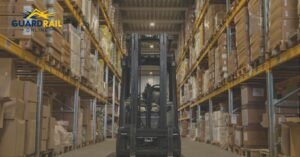
The risks become far more serious in warehouses using high-bay or stacked storage systems. After all, the higher the inventory gets stored, the greater the consequences of falling-object incidents become. Even a small disturbance near these elevated storage can quickly turn into a dangerous situation. These accidents can lead to:
- Head trauma
- Crush injuries
- Spinal damage
- Severe fractures
- Workers getting pinned beneath inventory
- Fatal workplace incidents
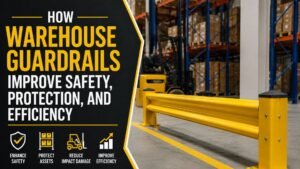
However, warehouses can significantly reduce these risks with a properly installed Double-height heavy duty warehouse guard rail starter kit. These systems help create stronger protection around vulnerable rack systems and active forklift zones. Moreover, they help reduce direct forklift contact near storage infrastructure, lowering the chances of pallets or inventory becoming destabilized during daily operations.
2. Forklifts Often Move Too Close to Workstations in Your Warehouse
Forklifts operating too close to active workstations is another major sign that your warehouse requires stronger protection systems. Forklift routes within many facilities run directly beside packing stations, assembly areas, inspection zones, and employee workspaces without proper physical separation. Such a lack of separation often creates extremely dangerous operating conditions over time. Forklifts may:
- Turn too closely near workstations
- Accidentally enter employee work areas
- Lose control while maneuvering heavy loads
- Strike nearby tables, equipment, or structures
- Push pallets into active work zones
Even a small operational mistake in these areas can lead to:
- Workers getting trapped between equipment
- Severe crush injuries
- Expensive machinery damage
- Production downtime
- Serious workplace accidents
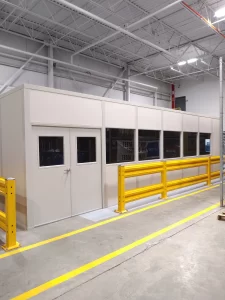
This is exactly where systems like the single height guardrails become a game changer. These safety barriers create stronger physical separation between forklift traffic and active workstations. As a result, they help reduce direct equipment exposure near employee work areas while creating safer operational boundaries across the warehouse.
3. Shared Warehouse Zones Often Feel Unsafe and Uncontrolled
Do your forklift operators constantly use horns near intersections? Are workers hesitating before crossing operational lanes? Do forklifts brake suddenly near shared movement zones?
These are clear signs pointing towards operational issues. They showcase that movement inside the warehouse is becoming difficult to control safely.
Shared warehouse zones often experience continuous movement from multiple directions at the same time. Forklifts move through active lanes while workers, pallets, and equipment operate nearby simultaneously. Over time, this movement creates congestion, hesitation, visibility confusion, and repeated near-miss situations across the facility. That’s not all! These conditions together increase the chances of sudden collisions and unsafe pedestrian exposure significantly.
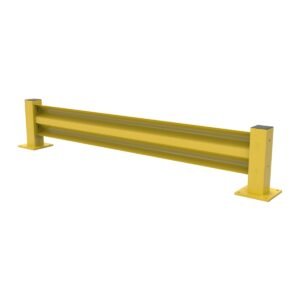
However, a properly installed single height guardrail system helps create more structured traffic flow within these high-pressure operational areas. These safety barriers improve movement separation and guide operational routes more clearly. They also reduce confusion across shared warehouse zones.
4. Near-Miss Incidents Keep Happening In Your Warehouse
Near-miss incidents are one of the clearest signs that warehouse risks are already developing in the background. However, many facilities make the mistake of treating these situations as “minor operational events” instead of serious warning signs. The truth is that near misses often reveal serious safety gaps long before a major accident actually takes place. So, never ignore incidents like:
- Forklifts narrowly avoiding workers
- Operators braking suddenly near intersections
- Pallets almost striking nearby infrastructure
These situations usually indicate that movement inside the warehouse is becoming increasingly unsafe. In most cases, they point toward deeper operational problems such as:
- Poor movement separation
- Unsafe crossing zones
- Limited reaction space
- Uncontrolled traffic flow
Over time, these conditions significantly increase the chances of serious collisions and workplace injuries. This is exactly why many warehouses install systems like the heavy duty warehouse guard rail starter kit before operational risks escalate further. These guardrail kits help create stronger movement control, safer operational boundaries, and better separation across high-risk warehouse zones.
5. Forklifts Keep Hitting Infrastructure
Small impact marks across the warehouse may not seem serious initially. However, repeated forklift contact with infrastructure is often a strong sign that operational pressure inside the facility is becoming difficult to manage safely. These impacts usually begin appearing in the form of:
- Chipped rack ends
- Scratched support columns
- Damaged dock corners
- Bent shelving sections
- Impact marks on walls
Many warehouses ignore these smaller incidents because they do not immediately interrupt operations. However, repeated impact slowly weakens critical infrastructure over time and increases the chances of more serious structural damage later. Installing a single height guardrail system here would, however, help absorb operational impact before forklifts reach vulnerable warehouse structures.
6. Floor Damage Is Appearing Near Operational Zones
Have you started noticing floor damage near active forklift routes or shared operational areas? Many warehouses ignore these signs initially because they seem like “minor infrastructure wear.” However, the following signs often indicate growing operational pressure inside the facility:
- Cracked concrete
- Chipped corners
- Damaged floor edges
- Anchor pullout near operational zones
These issues usually appear in areas experiencing repeated forklift turning, braking, and operational impact throughout the day. This happens because constant pressure from heavy equipment actually weakens the surrounding floor structure slowly. Then, it begins to create unstable operational zones across the warehouse.
This is exactly where the use of the heavy duty warehouse guard rail starter kit becomes extremely important. These guardrail systems help absorb forklift impact before operational force reaches vulnerable warehouse floors and nearby infrastructure.
7. Rack-End Damage Keeps Returning
Did you repair a rack recently, only to notice fresh dents appearing in the same area again? Does your warehouse constantly deal with bent rack corners or repeated impact marks near storage systems? If yes, this is a strong sign that forklifts are operating too closely near active rack zones. Common warning signs of such a close contact usually include:
- Bent uprights
- Impact damage near lower rack sections
- Unstable rack corners
- Repeated repair work around storage zones
Many warehouses treat smaller rack chips and dents as a “normal part of operations.” However, repeated rack-end damage should never be ignored. Constant forklift impact can weaken the overall stability of the storage system over time and increase the chances of falling inventory incidents.
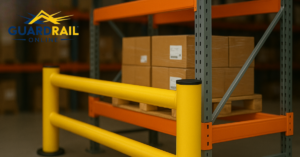
This is exactly why warehouses should assess rack systems that experience repeated damage. Then, they should strengthen protection around these vulnerable areas with a properly installed single height guardrail system. These barriers can help reduce direct forklift contact near storage infrastructure and improve safety across active warehouse aisles.
8. Operations Have Expanded, But Safety Infrastructure Hasn’t
Many warehouses expand operations much faster than their safety infrastructure. More forklifts are added, storage density increases, aisles become tighter, and operational throughput rises significantly over time. However, they keep relying on original protection systems like:
- Old painted floor markings
- Basic warning signs
- Temporary barriers
- Outdated traffic layouts
- Minimal impact protection systems
The problem is that these older safety measures may no longer handle the level of movement pressure the warehouse now experiences daily. The chances of collisions and infrastructure damage are bound to naturally increase as forklift activity and operational density increase. This is exactly why growing warehouses should upgrade to systems like the Heavy Duty Warehouse Guard Rail Starter Kit to strengthen protection as operations evolve.
Conclusion
You should never ignore signs like repeated near misses, infrastructure damage, falling inventory incidents, and unsafe forklift movement. These are all strong indicators that your warehouse now requires better protection systems. Ignoring them often allows operational risks to grow quietly in the background until they eventually lead to serious accidents, expensive damage, or unsafe working conditions.
This is exactly why proactive warehouses strengthen safety through systems like double and single height guardrails. So, why not stop these operational risks from escalating further by ordering top-quality safety barriers from Guardrail Online? Designed to withstand 10000 Lbs weight at 4 mph, our guardrails are here to strengthen protection in your warehouses and industrial spaces.